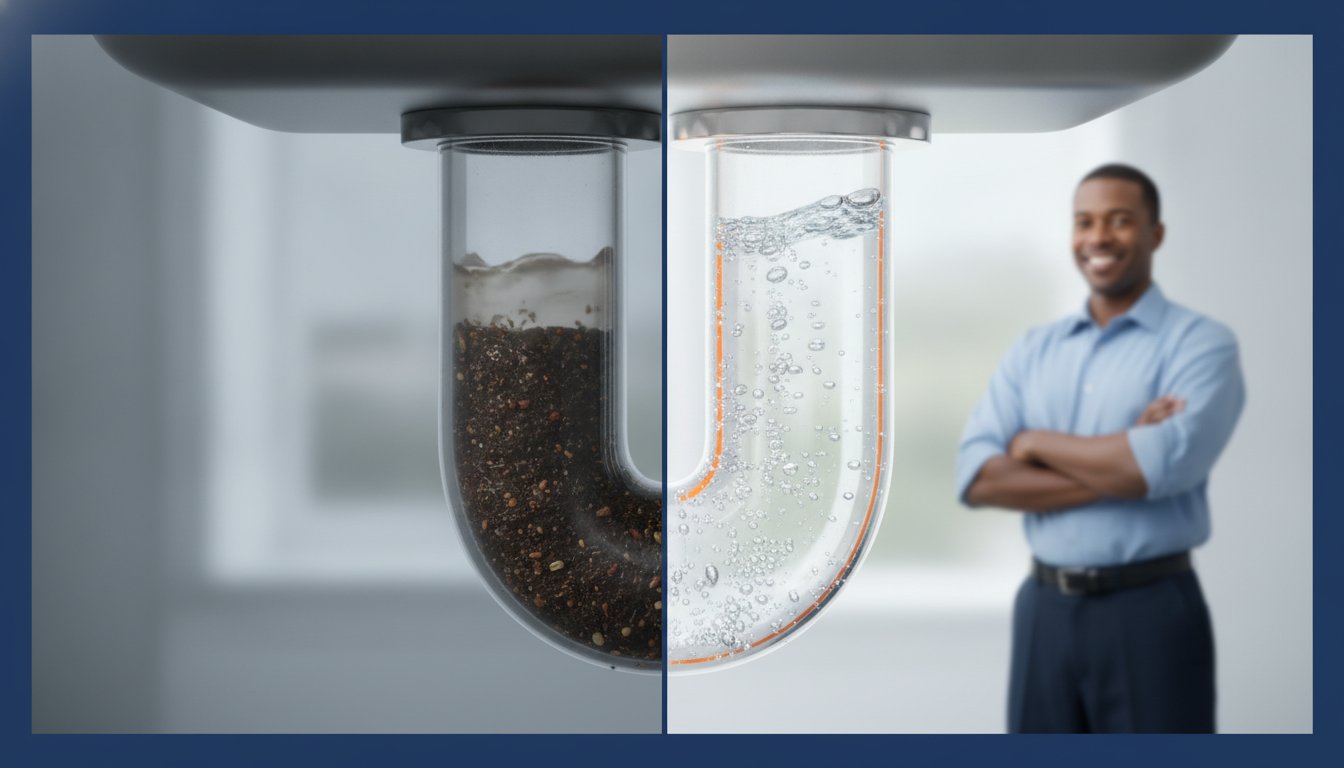
What if that slow-moving sink isn’t just a minor annoyance, but a quiet warning that your entire plumbing system is under stress? It is easy to ignore a gurgling drain or a faint, unpleasant smell in the kitchen. You might feel frustrated by recurring clogs or anxious about the potential cost and mess of a major sewage backup. Most homeowners hope the problem will simply clear itself with a little hot water or a store-bought cleaner, but these temporary fixes often mask deeper issues within your pipes.
Recognizing the early signs you need drain cleaning is the most effective way to prevent a plumbing disaster. Taking a proactive approach ensures your home remains a healthy, hygienic environment while protecting your budget from the high costs of emergency pipe repairs. At Joel’s Plumbing, we believe in sharing our 30 years of experience to help you make informed decisions about your home’s maintenance.
This article provides a clear, methodical look at seven critical red flags that indicate your drains require professional attention. From unusual sounds to multiple slow fixtures, you’ll learn how to identify these symptoms before they escalate. By the end, you will have a thorough understanding of when to call for expert help to restore perfect water flow to your home.
Key Takeaways
- Distinguish between a simple surface clog and deep-system accumulation to ensure your pipes receive a thorough, long-lasting cleaning.
- Learn to spot the subtle signs you need drain cleaning, such as gurgling noises or slow drainage, to prevent costly sewage backups and pipe damage.
- Understand the hidden risks that caustic chemical cleaners pose to your PVC plumbing and why professional methods provide a safer, more durable solution.
- See how high-definition camera inspections take the guesswork out of repairs by accurately mapping symptoms and locating blockages deep within your system.
- Implement simple proactive maintenance habits in your kitchen and bathroom to protect your home’s hygiene and keep water flowing smoothly.
Beyond the Surface: Why Professional Drain Cleaning Matters
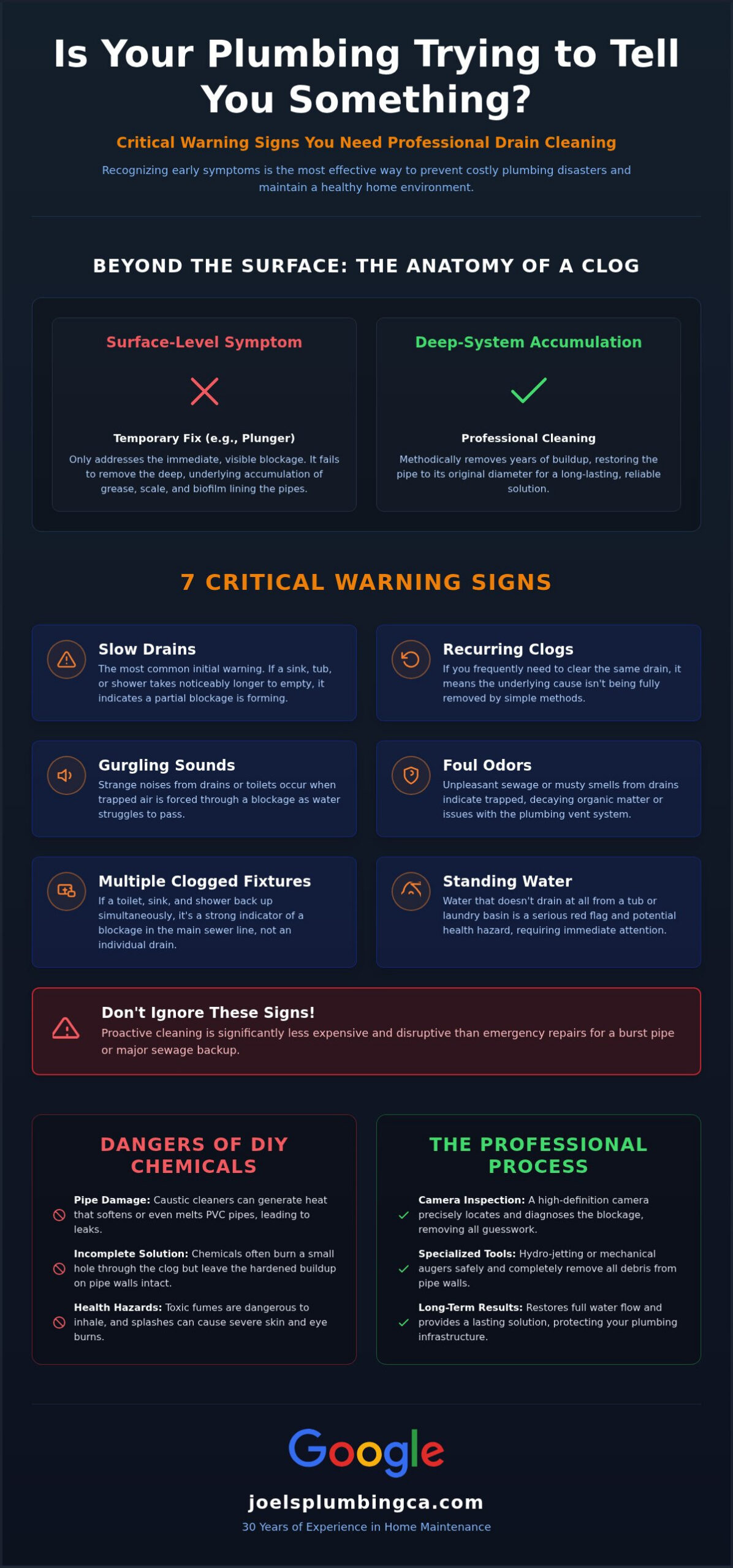
Professional drain cleaning is more than a quick fix for a backed-up sink. It involves the methodical removal of years of accumulated debris, mineral scale, and biofilm from the interior of your pipes. While many homeowners reach for a plunger when they see a backup, this only addresses the surface-level symptom. Deep-system accumulation requires specialized tools to restore the pipe to its original diameter. Recognizing the early signs you need drain cleaning helps you maintain your property’s value by preventing the structural damage that often follows a major sewage backup.
Maintaining your drains is a form of preventative care that protects your property’s foundation. Over time, recurring clogs can increase pressure within your pipes, leading to pinhole leaks or even burst lines. By choosing professional cleaning, you are investing in the longevity of your home’s infrastructure. Whether you manage a residential property or a commercial storefront, scheduled maintenance ensures that minor buildup never turns into an expensive emergency.
The Anatomy of a Healthy Drainage System
A functional plumbing system relies on a precise balance of gravity and pressure. Your P-traps are designed to hold a small amount of water, which creates a seal against sewer gases entering your home. Meanwhile, vent stacks allow air to enter the system, ensuring that water moves smoothly without creating a vacuum. For this process to work, pipe walls must remain smooth and unobstructed. A truly clear drain is defined as one that is entirely free of biofilm and mineral scale buildup.
Residential vs. Commercial Drain Demands
The challenges facing a single-family home differ significantly from those of a high-volume business. Residential systems typically contend with hair, soap scum, and small amounts of food waste. In contrast, commercial kitchens and facilities must manage massive amounts of fats, oils, and grease, often referred to as FOG. Because of these heavy demands, commercial systems often require more frequent professional intervention to avoid costly downtime.
When deciding how to handle a blockage, it helps to understand what are drain cleaners and how they differ from professional mechanical methods. While some people use chemical solutions to dissolve clogs, these often fail to address the deep-seated accumulation found in complex commercial layouts. Professional technicians use a methodical approach to map out the system, identifying exactly where signs you need drain cleaning are originating. This specialized labor ensures that every branch of the plumbing network is clear, providing long-term reliability for your business or home.
7 Warning Signs You Need Professional Drain Cleaning
Identifying the early signs you need drain cleaning is the best way to avoid a major plumbing failure. Slow-flowing water is the most common early warning. It often indicates that grease, hair, or soap scum is narrowing the pipe’s interior diameter. If you notice a single sink taking longer to empty, it’s a localized issue. However, recurring clogs in the same fixture suggest that the blockage is deeper than a standard plunger can reach. These persistent issues often require professional tools to clear the accumulation entirely and prevent it from returning. Homeowners seeking drain cleaning in Thousand Oaks can find expert guidance on distinguishing between surface-level fixes and deep-system solutions that provide lasting results.
When you see multiple clogged fixtures across your home, it’s a sign of a main sewer line issue. For example, if the kitchen sink and the bathroom tub both drain slowly, the problem is likely in the common line they share. Standing water in tubs or laundry basins is another serious red flag. This isn’t just an inconvenience; it’s a health hazard. Stagnant water can harbor bacteria and pathogens, making immediate professional attention a priority for your family’s safety. If you notice these symptoms, our team can help with expert clog removal to restore your peace of mind.
Sensory Cues: Smells and Sounds
Your senses are powerful diagnostic tools for your home’s health. Sewage odors often mean that organic matter is trapped in your pipes or that your venting system isn’t working correctly. Gurgling sounds are another clear indicator of trouble. These noises happen because air pockets form around deep blockages, causing water to struggle as it passes. If you notice a musty smell in your basement or near fixtures, it could be a precursor to mold growth behind your walls. Proper home plumbing maintenance means listening to these cues before they lead to a pipe failure.
Visual Red Flags: Backups and Pests
Visual cues often point to the severity of a clog. An “unexpected backup” occurs when using one fixture causes water to rise in another. If you flush the toilet and water bubbles up in the shower, the main line is likely obstructed. You might also notice fruit flies or drain flies appearing in your kitchen or bathrooms. These pests are attracted to the decomposing matter that builds up in neglected pipes. Standing water should never be ignored, as it indicates a total system failure that needs a methodical, professional approach to resolve safely and effectively. Homeowners throughout the region can find targeted help with drain cleaning in San Fernando Valley to address these recurring backups before they escalate into a full plumbing emergency.
The Hidden Dangers of DIY Chemical Cleaners
Many homeowners see the initial signs you need drain cleaning and immediately reach for a bottle of liquid cleaner. It is a common reaction to the frustration of a slow sink. However, most store-bought cleaners rely on an exothermic chemical reaction to generate intense heat. While this heat is meant to melt through grease or hair, it can also soften or warp PVC pipes. Beyond your home, these caustic acids eventually enter the wider water system, contributing to environmental damage that professional mechanical methods avoid.
Liquid fixes often provide a false sense of security. They might clear a small path through a blockage to restore temporary flow, but they rarely remove the entire accumulation. This means the clog will likely return within days. Even worse, if the chemical fails to clear the obstruction, it remains trapped in your pipes as a pool of toxic residue. This chemical buildup makes professional repairs significantly more dangerous for technicians, as they must handle the hazardous liquid to reach the pipe, increasing the risk of chemical burns during the job.
Corrosion and Pipe Integrity
When a chemical cleaner hits a stubborn blockage, it sits directly on top of the clog. Instead of disappearing, the acid stays in contact with your plumbing, eating away at metal and plastic pipes alike. This process leads to pipe thinning, which significantly weakens the structural integrity of your system. Over time, this thinning leads to pinhole leaks or sudden bursts. A single professional cleaning is a much more stable investment than the high cost of replacing an entire section of pipe that has been destroyed by chemical corrosion.
Why Plunging and Snaking Aren’t Always Enough
Plungers are helpful for minor, localized backups, but they don’t actually remove debris. They use pressure to push the clog further down the line, which often just moves the problem to a more difficult location. Similarly, basic hardware-store snakes often lack the precision and flexibility of professional-grade equipment. These rigid DIY cables can easily scratch the interior of your pipes or even puncture older, fragile lines. Professional diagnostics remain the only reliable way to ensure your pipes are truly clear and free of biofilm without risking the safety of your plumbing infrastructure.
The Professional Drain Cleaning Process: What to Expect
Once you recognize the early signs you need drain cleaning, the next step is understanding how a professional resolves the issue. A technician begins with a methodical assessment called symptom mapping. This involves testing various fixtures to determine if the blockage is localized to one pipe or if it exists deeper in the main sewer line. By identifying the specific layout of your plumbing, a professional can choose the most effective tool for the job, ensuring a resolution that lasts. This organized approach provides peace of mind, as it removes the guesswork often associated with DIY attempts.
After the initial assessment, the technician selects a remediation method based on the severity of the buildup. For simple, solid clogs like a wad of hair or a small object, motorized snaking is often sufficient. The snake uses a flexible cable to physically break apart the obstruction. However, if the pipe is narrowed by years of grease or mineral scale, more advanced methods are required. Every service call concludes with thorough testing and cleanup. A professional ensures that water flows perfectly through every fixture and that your home is left as clean as when they arrived.
Advanced Diagnostics: Seeing Inside Your Pipes
Modern plumbing relies on high-definition, waterproof cameras to provide a clear view of your system’s interior. These specialized cameras are threaded through the lines to identify specific issues like tree root intrusions, structural cracks, or “bellied” pipes where sections have sagged over time. Visual confirmation is essential for providing an accurate quote and a targeted repair plan. This technology is a significant benefit to homeowners because it prevents unnecessary digging in your yard or the demolition of interior walls to find a hidden leak.
Hydro-Jetting: The Gold Standard
For pipes heavily restricted by biofilm or grease, hydro-jetting is the most effective solution. This process uses high-pressure water, sometimes reaching up to 4,000 PSI, to scrub the interior walls of your pipes completely clean. While a mechanical snake only pokes a hole through a clog, hydro-jetting restores the pipe to its full original diameter. This method is safer for your plumbing than harsh chemicals and provides better long-term prevention against future clogs. If you are dealing with recurring backups, you can schedule a professional drain cleaning to restore your system’s integrity and efficiency.
Proactive Maintenance to Prevent Future Clogs
Preventing a plumbing emergency is much easier than fixing one. While it is vital to watch for the signs you need drain cleaning, adopting simple daily habits can significantly extend the life of your pipes. In the kitchen, your drain is not a trash can. Avoid pouring fats, oils, or grease down the sink, as these substances solidify as they cool and create stubborn blockages. Similarly, avoid putting pasta, rice, or fibrous vegetables like celery or corn husks down the disposal. These items either expand in the water or create tangles that trap other debris deep within your system.
In the bathroom, hair is the primary cause of slow-flowing water and recurring clogs. Installing simple hair catchers in your showers and sinks can prevent the majority of debris from ever entering your pipes. For ongoing maintenance, choose enzyme-based cleaners rather than the caustic chemicals discussed in previous sections. Enzymes use natural bacteria to break down organic matter safely. This methodical approach keeps your pipes clear without risking the structural integrity of your plumbing or harming the environment.
The Role of Hard Water in Drain Health
Hard water contains high levels of minerals like calcium and magnesium. Over time, these minerals settle on the interior of your pipes, creating a rough, chalky layer known as mineral scale. This scale narrows the diameter of the pipe and provides a “sticky” surface for hair and soap scum to grab onto. This combination accelerates the formation of clogs that are difficult to remove with standard DIY tools. If you live in an area with high mineral content, a water softening system can be an excellent partner to your regular drain maintenance, as it prevents this buildup from forming in the first place.
When to Call Joel’s Plumbing
Even with the best maintenance habits, pipes naturally accumulate some debris over decades of use. An annual professional “check-up” allows a technician to catch minor issues before they become emergency failures. At Joel’s Plumbing, we bring over 30 years of experience to every job, offering a methodical and non-alarmist approach to your home’s needs. We understand the unique signs you need drain cleaning in both residential and commercial systems, providing a safe pair of hands for your property’s most critical infrastructure. We pride ourselves on being a reliable, local authority that treats your plumbing with the care and precision it deserves.
Schedule your professional drain cleaning with Joel’s Plumbing today.
Secure Your Plumbing System’s Future
Maintaining a healthy home starts with listening to what your pipes are telling you. Whether it is a gurgling toilet or a slow-moving kitchen sink, these early signs you need drain cleaning are opportunities to prevent major property damage. By choosing professional mechanical methods over harsh chemicals, you protect the structural integrity of your plumbing and ensure a long-term solution rather than a temporary fix. Taking action early keeps your home hygienic and your water flowing without interruption.
At Joel’s Plumbing, we bring over 30 years of professional experience to every service call. As a family-owned and operated business, we treat your home with the same meticulous care we would our own. From expert clog removal in sinks and toilets to restoring slow-flowing water, we provide the steady, reliable expertise you need to regain peace of mind. Don’t wait for a minor blockage to become a costly emergency. Our team is ready to provide the thorough, methodical care your system deserves.
Get Expert Help with Your Clogged Drains. We look forward to helping you keep your home’s water flowing smoothly for years to come.
Frequently Asked Questions
How can I tell if my main sewer line is clogged vs. just one drain?
A single backup is usually a localized branch line issue. When you notice multiple fixtures backing up at the same time, it is a clear indicator that the main sewer line is obstructed. For instance, if water enters your shower when you run the washing machine, the blockage is deep in the system. A professional diagnostic inspection is the most reliable way to confirm the exact location of the clog.
Is liquid drain cleaner safe for my older plumbing pipes?
Chemical cleaners are generally not recommended for older plumbing systems. These products use an exothermic reaction that generates intense heat to melt clogs, which can warp PVC or accelerate corrosion in aged metal lines. Over time, the chemicals can cause pipe thinning and lead to sudden bursts. Choosing mechanical cleaning methods provides a safer, more durable solution that protects the long-term integrity of your home’s infrastructure.
What causes my drains to smell like rotten eggs?
That rotten egg smell is typically caused by sewer gases escaping into your home. This happens when organic matter builds up in your pipes or when a P-trap has dried out. It can also point to a blocked vent stack that is failing to push gases safely out of your roof. Identifying these signs you need drain cleaning early helps you restore a hygienic environment and prevents the issue from escalating.
Why does my sink gurgle when I flush the toilet?
Gurgling occurs when air is trapped in your plumbing system. When you flush the toilet, the moving water pushes air through the pipes. If there is a blockage, that air has nowhere to go but through the water in your sink’s trap, creating a bubbling sound. This air-pressure imbalance is a common symptom of a deep-seated clog that requires professional tools to clear the line and restore proper venting.
How often should I have professional drain cleaning performed?
We recommend a professional drain maintenance check-up once every year for most residential properties. Regular cleaning prevents the slow accumulation of biofilm, grease, and mineral scale that leads to emergency failures. If you manage a commercial property or live in a home with very old pipes, you might benefit from more frequent visits. This proactive approach ensures your drainage system remains reliable and helps you avoid the high costs of major repairs.
Can tree roots cause clogs even if I don’t have trees in my yard?
Tree roots are incredibly persistent and can travel significantly further than the edge of a tree’s canopy. A neighbor’s tree or even a large plant on the street can send roots toward your sewer line to find moisture. Once they find a tiny crack or a loose joint, they grow inside and create a massive obstruction. A waterproof camera inspection is the only way to confirm if roots are the cause of your clogs.
What is the most effective way to clear a clogged toilet?
For localized clogs, a flange plunger is the most effective DIY tool. However, if a plunger doesn’t resolve the issue, the blockage is likely further down the line. In these cases, a professional motorized auger or snake is required. These tools can navigate the curves of your toilet’s trap to break apart the obstruction without scratching the porcelain. It is a methodical way to restore flow while protecting your fixtures from damage.
Is hydro-jetting safe for all types of plumbing pipes?
Hydro-jetting is a powerful tool, but it isn’t suitable for every pipe. While it is excellent for modern PVC and sturdy metal lines, it can damage older, brittle, or heavily corroded plumbing. We always perform a high-definition camera inspection before recommending hydro-jetting. This ensures your pipes are structurally sound enough to handle the high-pressure water. This cautious, expert approach provides the best results without risking the safety of your plumbing system.